• English
  • 简体中文
  • 繁體中文
  • Tiếng Việt
  • ไทย
  • Indonesia
Subscribe
Real-time News
A report released by Google, Temasek Holdings, and Bain & Company shows that AI will drive Southeast Asias digital economy by about 17%, to $368 billion.Morgan Stanley: Even if current war-related disruptions ease, the refined petroleum products market is likely to remain tight in supply until mid-2027, as “an unusually large number of refinery maintenance activities” are constraining global supply.Citigroup raised its price target for SpaceX (SPCX.O) from $200 to $240.Apple futures contracts rose 2.00% intraday, currently trading at 6010.00 yuan/ton.October 21 (Yonhap) -- Japans imports hit a record high in the first half of fiscal year 2026, further widening its trade deficit. According to data released by the Japanese Ministry of Finance on the 21st, total imports for the first half of fiscal year 2026 (April to September 2026) reached 66.2753 trillion yen, a 20.4% increase compared to the same period last year. Crude oil imports increased by 26.3% to 5.7439 trillion yen. The continued instability in the Middle East has led Japan to seek alternative supply routes to avoid the Strait of Hormuz, resulting in higher import costs. Exports during the same period reached 63.4569 trillion yen, an 18.4% increase compared to last year, marking the highest level since 1979. This growth was mainly driven by increased exports of semiconductors and electronic components, as well as increased automobile exports to the United States. The trade balance for the period from April to September showed a deficit of 2.8184 trillion yen, marking Japans 11th consecutive half-year trade deficit. This deficit is approximately twice the size of the first half of last year.

ECB steps in as banks dip toes in crypto pool

Alice Wang

Aug 18, 2022 14:33

微信截图_20220818142739.png


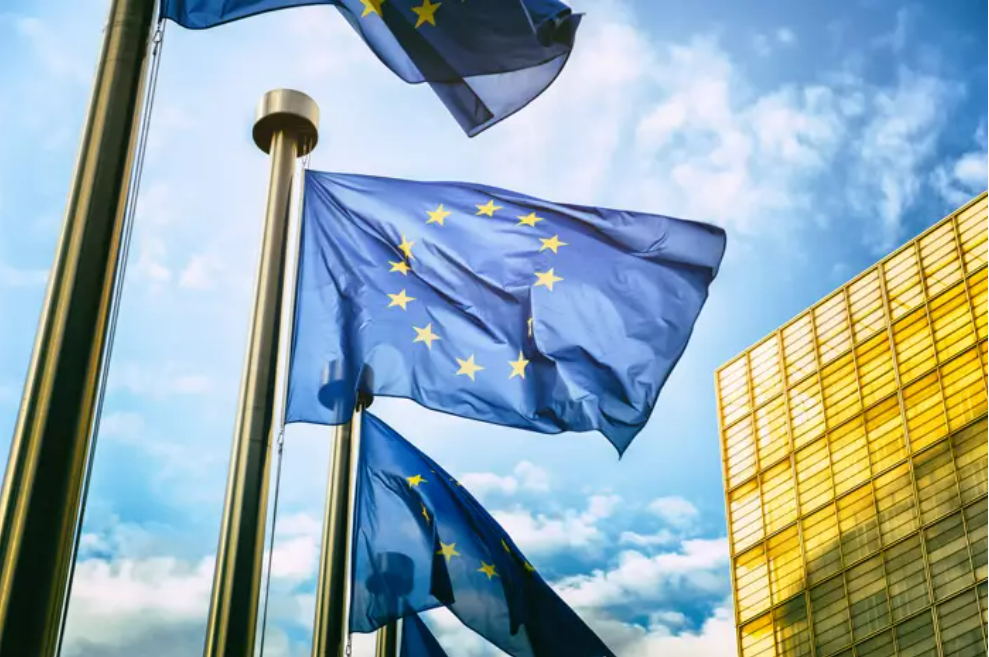
In order to guarantee that banks have enough capital and knowledge in a field that some European Union politicians have referred to as the Wild West, the European Central Bank (ECB) said on Wednesday that it will standardize how banks provide cryptoassets.


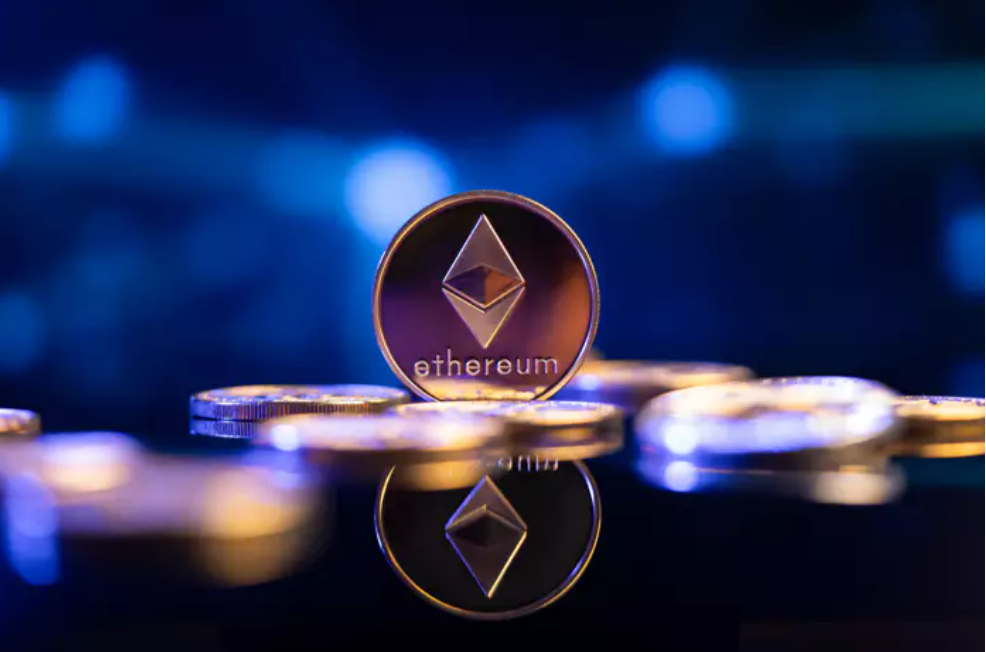
Following compliance with national safeguards to prevent money laundering and terrorist funding, some cryptocurrency firms, including Binance and Crypto.com, have received authorization in EU nations including Italy, France, Spain, Greece, or Germany.


This comes before EU-wide licensing regulations, which won't take effect until at least 2023.


Banks were reportedly examining whether or not to participate in the cryptocurrency industry, according to the ECB, although country regulations varied greatly.


The ECB said in a statement that "many banks have applied to be authorized to perform these permitted operations" in Germany where "some crypto activities are subject to a banking licence requirement."


The ECB is acting to harmonize the evaluation of licence requests in this area.


Top euro zone lenders like Deutsche Bank, UniCredit, and BNP Paribas are directly regulated by the ECB, which said that it would look at whether cryptocurrency activities were consistent with a bank's risk "profile," which determines how much capital to retain.


The ECB will also examine a bank's ability to recognize and evaluate risks associated with cryptoassets, as well as whether board members and IT personnel have "strong expertise" in the field.


The ECB said, "Importantly, the ECB will cooperate closely with national supervisors to achieve more uniformity in prudential evaluations across national regimes."


Global regulators are evaluating the need for particular capital buffers for bank holdings of cryptocurrencies at the Basel Committee in Switzerland.


The legislation governing bank capital requirements is also being reviewed by the EU.


A Green Party MEP named Ville Niinisto has suggested a change that would limit bank holdings of bitcoin and other cryptocurrencies that aren't backed by assets to no more than 1% of a bank's basic tier 1 measure of capital.


To become a law, such a cap would require the support of the whole parliament and EU member states, which is a drawn-out procedure.


Additionally, Niinisto suggested that authorities examine if specific capital requirements are required for the blockchain that powers cryptoassets.