• English
  • 简体中文
  • 繁體中文
  • Tiếng Việt
  • ไทย
  • Indonesia
Subscribe
Real-time News
October 13 - A surge in Iranian attacks on ships transiting the Strait of Hormuz could threaten the recent recovery in Persian Gulf oil exports. Shipping industry sources say that while cargo volumes through the Strait of Hormuz had recovered to near pre-war levels earlier this month, recent signs indicate a potential slowdown in traffic. However, there is currently no clear evidence of changes in crude oil loading activities in the regions major oil-producing countries, and one shipowner stated that ship passage through the Strait of Hormuz appears unrestricted. Caution is increasingly evident among shipping operators. Compiled tanker tracking data shows that more than a dozen Very Large Crude Carriers (VLCCs) and several Suezmax tankers turned around or changed course as they approached the UAE port of Fujairah, a key shipping hub located near the entrance to the Strait of Hormuz. Shipbrokers and some shipowners operating in the region report other signs of slowdown in shipping activity, particularly longer wait times for ship-to-ship transfers. However, one shipowner involved in such business stated that their operations have not yet been affected.Nvidia CEO Jensen Huang: Nvidia has invested $8 billion in Europe over the past year.Nvidia CEO Jensen Huang: The open model is a "huge advantage" for Europe.Saudi cabinet: Will not allow threats to freedom of navigation in the Red Sea.The Governor of the Reserve Bank of India said the special program aimed at increasing dollar inflows is expected to bring in about $150 billion.
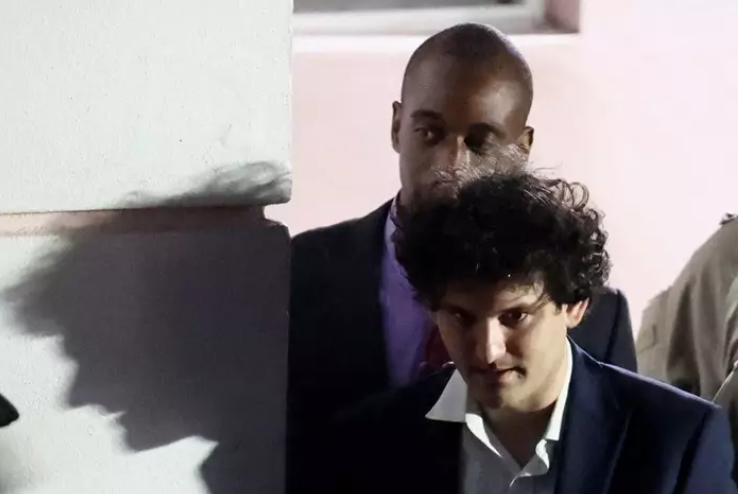
FTX founder Bankman-Fried’s bail denial could increase chance of extradition

Cory Russell

Dec 14, 2022 12:04

微信截图_20221214102420.png


After federal prosecutors in New York unveiled charges against Bankman-Fried in connection with the demise of his once-promising cryptocurrency exchange, FTX, a judge mandated that he be detained at the Bahamas Department of Corrections until at least February 8, citing his "great" danger of escape.


Bankman-attorney Fried's stated that his client was not waiving his right to extradition procedures before bail was rejected. If he contests the removal, there may be hearings and appeals throughout the process that might go up to a year or longer with little chance of success, according to experts.

Fox Hill Prison refers to the facility where Bankman-Fried is being housed. An inquiry for comment was not immediately answered by a lawyer for Bankman-Fried.


Extradition-focused lawyers claim that confinement abroad frequently persuades criminals to agree to return to their native nations.


A U.S. attorney who has defended individuals facing extradition noted, "The extradition procedure can take a year or longer." "Typically, people don't want to spend time in an overseas prison. That frequently plays a significant role in whether someone objects to extradition.


According to a Bahamian correctional official, Bankman-Fried will first be kept in the facility's medical section while staff members decide where to house him. On February 8, Bankman-Fried is due to appear before a different Bahamian magistrate judge.


The United States and Bahamas agreement on extradition mandates that alleged crimes be treated as crimes in both nations. According to attorneys, Bankman-Fried is unlikely to persuade a Bahamian judge that the securities fraud and wire fraud he is accused of are not prohibited in the Bahamas.


Jack Sharman, a white-collar criminal defense lawyer, claimed that in these cases, "Bahamian law largely reflects American law." "I wouldn't anticipate legal disparities to be a significant obstacle to extradition."


A Bahamian judge would have to take into account these issues before releasing Bankman-Fried for extradition. Bankman-Fried may further contend that he would not receive a fair trial in the United States, would face unfair punishment there, or would experience cruel treatment.


That has aided certain defendants in postponing extradition, most notably Julian Assange, the founder of WikiLeaks, who has battled extradition from the UK to the United States for years in order to face charges for allegedly disclosing confidential military intelligence.


However, U.S. prosecutors recently obtained favorable decisions in Assange's extradition procedures by promising to keep him safe in detention. According to Haas, similar agreements could probably be mediated by American and Bahamian authorities.


There is frequently a diplomatic element. Treaties are used to handle all of this, according to Haas.