• English
  • 简体中文
  • 繁體中文
  • Tiếng Việt
  • ไทย
  • Indonesia
Subscribe
Real-time News
October 17 - The National Data Group is expected to be officially established soon.On October 17th, according to the Financial Times, Anthropic is offering Blackstone Group a yield exceeding 10% to raise funds to support its latest chip deal. This $60 billion debt financing program, dubbed "Project North Star," will help Anthropic procure approximately 1.5 gigawatts of custom semiconductors, or TPUs, developed by Google. It is expected to be the largest chip financing deal to date and a key test of investor demand for AI-related debt. Sources familiar with the matter revealed that Blackstones funds will invest $9 billion to purchase debt backed by Anthropics chip lease payments over the next five years, representing half of its approximately $18 billion in subprime loans. Blackstone has received a coupon rate offer of 10%, and the total yield will be even higher after accounting for new debt issuance discounts and other fees. According to the Intercontinental Exchanges Bank of America BB-rated U.S. High Yield Bond Index, borrowers with similar credit profiles typically pay around 7% yields when financing in the public bond market.According to the Financial Times, Anthropic offered Blackstone Group a double-digit yield in its latest chip financing deal.In an executive order, U.S. President Trump stated that he would waive certain sanctions, restrictions, and tariffs applicable under the Graham Act on sanctions against Russia and Iran, effective immediately.On October 17th, Russian President Vladimir Putin stated on the 16th that, in response to attacks by Ukrainian authorities on Russian industrial enterprises and fuel and energy complexes, the Russian armed forces continue to strike Ukrainian military-industrial complexes and related facilities. Putin stated that the Russian military is accelerating its offensive across the entire front, and the "safe zone" along the border with Ukraine has significantly expanded in recent months. One of the main tasks on the ground remains the "liberation" of Donetsk. The Russian militarys control of Dobropilya was a landmark event in the special military operation, opening up a passage to Donetsk.

Fourth week of oil price declines as Fed uncertainty offsets decreasing supply

Charlie Brooks

Sep 23, 2022 11:04

6.png


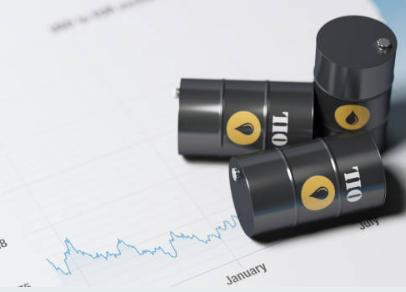
Concerns over headwinds from rising interest rates outweighed expectations that petroleum supply will tighten as a result of the Russia-Ukraine conflict, forcing oil prices to decline for the fourth consecutive week on Friday.


Concerns over rising interest rates worldwide, particularly in the wake of the Federal Reserve's increase this week, impacted on crude oil prices as traders predicted tighter liquidity conditions and greater impediments to economic growth.


Notwithstanding, oil prices recovered a portion of their weekly losses as Russia appeared set to extend its invasion of Ukraine, a move that could hamper oil shipments and reduce global supply this year. China and India, the two major importers in Asia, purchase significant volumes of crude oil from Russia. As a result of the Bank of England's smaller-than-anticipated interest rate increase, crude prices also experienced some relief.


London Brent oil prices jumped 0.2% to $90.50 per barrel at 20:37 ET, while U.S. West Texas Intermediate crude futures advanced 0.1% to $83.61 per barrel (00:37 GMT). This week, it was anticipated that both futures would lose 0.9% and 1.8%, respectively.


The Fed's more hawkish-than-expected position on U.S. monetary policy weighed most on oil prices this week, as the central bank warned it was prepared for threats to economic growth and the labor market in its fight against inflation. Additional European and Asian central banks tightened monetary policy this week.


Tighter monetary policy decreases market liquidity, which discourages crude buyers. In addition to slowing economic activity, high interest rates limit industrial demand for petroleum.


High inflation and high interest rates make it difficult for customers to acquire fuel. In addition, the U.S. government increased oil supply by withdrawing from its Strategic Petroleum Reserve, which has reduced prices in recent weeks.


As a result of Russian President Vladimir Putin's partial mobilization of troops for a military operation in Ukraine, crude prices jumped on Thursday. As was the case earlier in the year, a conflict escalation is likely to cause a shortage of supplies.


The European Union also reinforced its plans for a price cap on Russian oil, while Nigeria's oil minister, speaking on behalf of OPEC+, pledged to restrict output if oil prices continued to plummet.


Traders are currently caught between predicted demand headwinds resulting from rising interest rates and an anticipated supply tightening.